Typing “BLS CPR certification course” into a search bar in Chico, CA usually comes from one of two places: a job posting that lists a certification you don’t recognize, or a nursing program syllabus with three similar-sounding acronyms and no explanation of the difference. Here’s the short version. BLS is the general-purpose course almost everyone starts with. ACLS and PALS are advanced courses for healthcare providers managing cardiac emergencies in adults or children, and both build directly on BLS rather than replacing it. The rest of this article walks through how to tell which one your specific situation calls for.
Key Takeaway
If you’re not sure which certification applies to you, start by checking whether your role involves directing advanced cardiac care or simply responding to an emergency and starting CPR. The first scenario points toward ACLS or PALS depending on patient age, while the second almost always points to BLS. When your requirement isn’t spelled out clearly, your employer or program coordinator is the most reliable source for confirming it.
The Fastest Way to Tell These Three Courses Apart
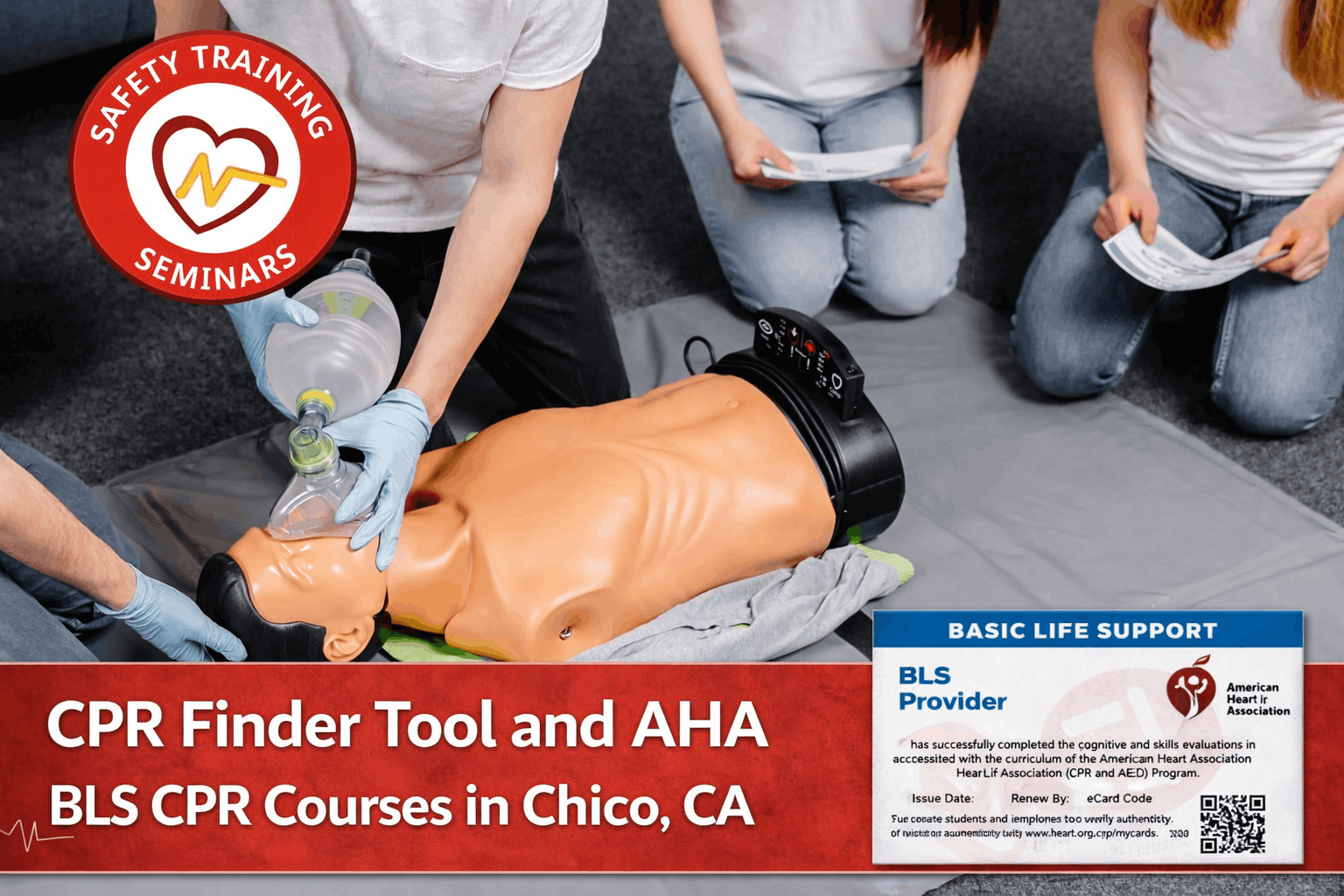
BLS, or Basic Life Support, teaches CPR, AED use, and choking response for adults, children, and infants. It’s the foundation everything else is built on, and it’s the course most people, regardless of profession, actually need.
ACLS, or Advanced Cardiovascular Life Support, adds rhythm interpretation, medication protocols, and advanced airway concepts specifically for adult cardiac emergencies. PALS, or Pediatric Advanced Life Support, applies that same advanced framework to infants and children, whose physiology and common emergencies differ from adults in ways that change how a provider should respond.
Think of it less as a ranking and more as a branching path. Everyone starts with BLS, and only healthcare providers managing advanced cardiac care in a specific patient population branch off into ACLS, PALS, or both.
A Common Misunderstanding Worth Correcting
A lot of people assume “more advanced” automatically means “better” or “more impressive” on a resume, so they lean toward ACLS or PALS even when their role doesn’t call for it. That’s usually the wrong instinct.
Advanced courses assume you already have solid BLS fundamentals and spend most of class time on clinical decision-making during a code rather than reviewing basic compressions in depth. If your job doesn’t involve directing that kind of response, taking ACLS or PALS instead of BLS means paying for and sitting through content built for a different role than yours, without actually meeting the requirement your employer or school had in mind.
Matching the Course to Common Roles in Chico
Different readers land on this question for different reasons, and the right course usually depends on what your day-to-day work actually involves.
Nurses and Clinical Staff
If you work in a hospital unit, urgent care, or skilled nursing facility, your employer likely specifies exactly which certification applies to your unit. ICU, ER, and procedural staff managing adult cardiac cases typically need ACLS. Pediatric units, school health offices, and NICU or PICU roles typically need PALS. Either way, BLS usually comes first as the prerequisite.
Teachers, Childcare Providers, and Coaches
Most school and childcare licensing requirements call for BLS, sometimes combined with a general First Aid course, rather than an advanced certification. If a district or licensing agency asked for a specific certification, confirming the exact name before registering prevents booking a course that doesn’t satisfy the requirement.
Fitness Professionals and Workplace Safety Teams
Gyms, studios, and workplace safety programs in Chico most commonly require BLS as well, since the goal is responding to a witnessed emergency until professional help arrives rather than directing advanced treatment.
Parents and General Caregivers
If you’re not fulfilling an employer or school requirement at all and simply want to be prepared, BLS still covers the skills most relevant to a home or family emergency.
What Happens If You Choose the Wrong Course
Signing up for the wrong certification usually means one of two outcomes. If you take an advanced course without current BLS skills, some training providers won’t allow you to sit for it, since ACLS and PALS assume that foundation is already in place. If you complete an advanced course when your employer only required BLS, you’ll likely still need to separately confirm or complete BLS, since the two aren’t automatically interchangeable on paper.
Checking the exact course name in your requirement, rather than assuming based on job title alone, is the simplest way to avoid either situation.
Preparing for Class Once You’ve Confirmed the Right Course
Once you know which certification you need, a little preparation makes the class itself go more smoothly. Bring a government-issued ID and any prior certification card if you’re renewing rather than starting fresh, since some advanced courses verify current BLS status before class begins.
Expect a mix of instruction and hands-on skills practice, along with a skills check before you receive a completion card. Some providers offer a blended format that lets you complete the classroom portion online ahead of an in-person skills session, while others run the entire course in person, so it’s worth confirming which format is offered.
Training Availability Across Chico and the North Valley
Chico serves as a hub for a wider stretch of Butte County, and readers searching for certification here often live or work in nearby communities rather than Chico itself. Someone commuting into Chico for a hospital shift might live closer to Paradise, while a childcare provider fulfilling a state requirement might be based nearer to Oroville or Gridley.
Because commute patterns vary this much across the North Valley, checking course availability at more than one nearby location can be more practical than waiting for a single date in one city. Readers near Oroville or Paradise sometimes find it easier to compare those schedules against Chico before choosing a class date.
Where to Complete Certification Training in Chico
Safety Training Seminars operates a training location in Chico at 527 Flume Street, Suite 15, Chico, CA 95928, offering BLS certification along with ACLS and PALS courses. Once you’ve confirmed which certification actually applies to your role or requirement, the practical next step is reviewing current course dates and formats before registering. Readers coming from smaller nearby communities such as Gridley or Biggs may find it worth checking both those pages and the Chico schedule before deciding where to enroll. Before registering anywhere, confirm with your employer, school, or licensing board that the course format you’re considering meets their specific requirement.
Frequently Asked Questions
What’s the simplest way to know if I need BLS, ACLS, or PALS? Check whether your role involves directing advanced cardiac care for a specific patient population or simply responding to an emergency and performing CPR until help arrives. The first points to ACLS or PALS depending on patient age, while the second almost always points to BLS. When in doubt, your employer or program coordinator can confirm the exact requirement.
Does completing ACLS or PALS also satisfy a BLS requirement? Not automatically. ACLS and PALS include CPR-related skills, but many employers and licensing boards track BLS as a separate, specific certification, so it’s worth confirming with whoever issued your requirement rather than assuming one course covers both.
Is training available near Chico for readers in Oroville or Paradise? Yes. Safety Training Seminars serves the broader Chico and North Valley area, and readers based in Oroville or Paradise sometimes compare those class schedules with the Chico location to find a date that fits their commute.
Do I need to bring anything specific to a BLS, ACLS, or PALS class? Bring a government-issued ID and, if you’re renewing an existing certification, your current card, since some advanced courses verify prior BLS status before class begins. Comfortable clothing is worth considering as well, since hands-on skills practice is part of every AHA-based course.
How do I know if an online-only certificate will be accepted for my job? That depends entirely on the employer, school, or licensing board involved, since most AHA-based courses require an in-person skills check even when the classroom content is completed online. Confirm directly with whoever issued your requirement before choosing an online-only option.
Choosing Your Next Step
Working out whether you need BLS, ACLS, or PALS comes down to two things: what your specific requirement actually says, and what your role involves day to day. Most readers in Chico, including teachers, childcare providers, and general caregivers, will find BLS is the correct starting point, while healthcare workers managing adult or pediatric cardiac care should confirm whether ACLS, PALS, or both apply to their position. From there, Safety Training Seminars’ Chico training location is a reasonable place to review current course dates and formats for BLS, ACLS, and PALS, with nearby options in Oroville, Gridley, Biggs, and Paradise available for readers whose schedule fits better elsewhere.